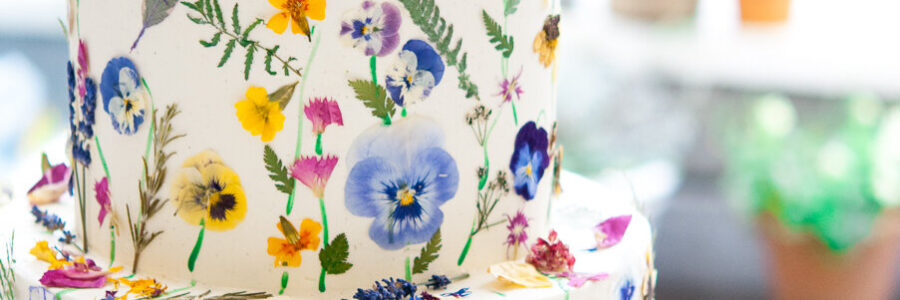
Today, we’re diving into a whimsical world of flavors, colors, and fragrances – yes, you guessed it right, we’re talking about edible flowers! 🌸🌼
Ever wondered if those beautiful petals you see in gardens and on Instagram feeds could actually be part of your next delicious dish? Well, wonder no more, because we’re here to spill the petals on everything you need to know about edible flowers.
**Are Edible Flowers Nutritious?**
Let’s start with the juicy details – do these floral delights pack a nutritional punch? You betcha! Edible flowers like nasturtiums, violets, and pansies are loaded with vitamins and antioxidants. They can be a delightful addition to your salads, boosting not just the visual appeal but also the nutritional value. Talk about beauty from the inside out!
**Do Edible Flowers Taste Good?**
Now, onto the most crucial question – do they taste as good as they look? Well, the answer is a resounding YES! Edible flowers offer a spectrum of flavors, from mildly sweet to slightly peppery or tangy. Imagine a burst of nature’s freshness in every bite. Experiment with different blooms to find your personal favorite – marigolds for a subtle citrus kick, or borage flowers for a hint of cucumber. Your taste buds are in for a treat!
**To Refrigerate or Not to Refrigerate?**
Okay, let’s get practical. Do you need to toss those precious petals into the fridge? Yup, you sure do. Most varieties can stay gorgeous and vibrant for about 1-2 weeks. Edible flowers are delicate creatures, and they thrive best in a cool, humid environment. To keep them perky and ready for action, place them in an airtight container lined with damp paper towels. Voilà! Your edible blossoms will thank you for the cozy stay.
**Can You Freeze Edible Flowers?**
Got a surplus of petals? No worries, you can absolutely freeze them for future culinary escapades. Simply pop those beauties onto a baking sheet, freeze them until firm, and then transfer them into an airtight container or a resealable bag. They’ll stay preserved and lovely, waiting to grace your next gourmet creation.
**How Long Will They Last as Garnish?**
Here’s the scoop – when it comes to garnishing, we want our creations to look picture-perfect. The lifespan of your floral garnish can vary depending on the type of flower, how it’s been stored, and how old the bloom is. Generally, edible flowers can last anywhere from a few hours up to 24 hours as cuisine embellishments. Honestly, who can resist using these lovely petals? We’d say, don’t wait too long – let them shine on your dishes, impress your guests with your edible artwork!
**Blossoming Beauties: A List of Edible Flowers**
Alright, time for the grand reveal! Here’s a list of edible flowers to spark your culinary creativity:
1. Nasturtiums – Peppery, vibrant, and oh-so-pretty.
2. Violets – Delicately sweet with a hint of floral elegance.
3. Pansies – Mildly sweet and available in a rainbow of colors.
4. Calendula – Earthy and slightly tangy, perfect for a pop of color.
5. Lavender – Fragrant and subtly floral, ideal for desserts and teas.
6. Roses – Floral and romantic, ideal for desserts and floral waters.
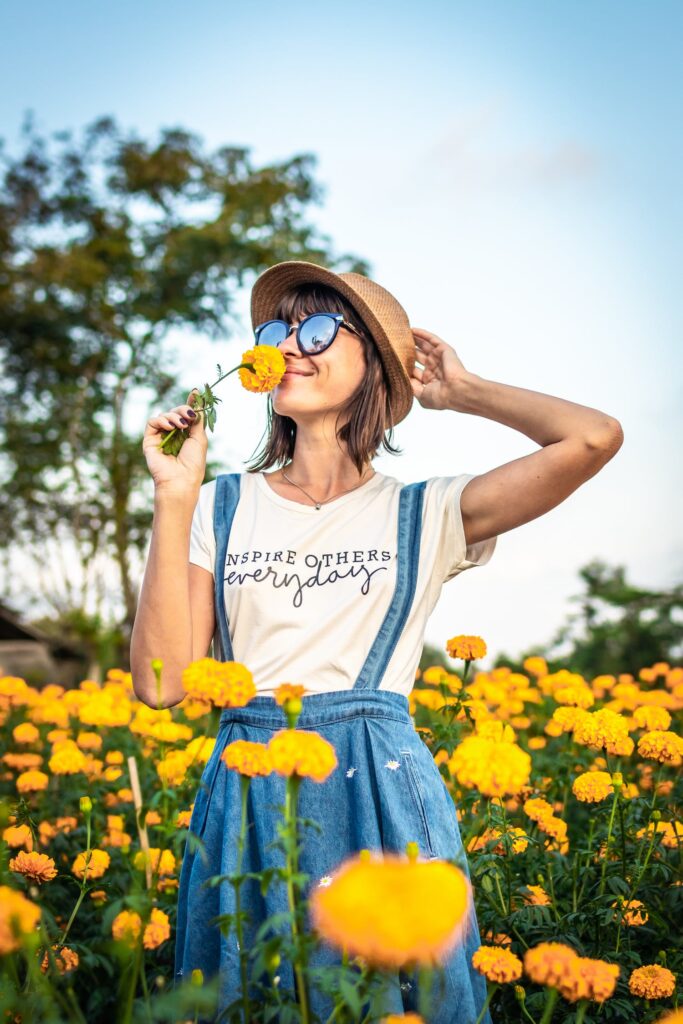
7. Marigolds – Citrusy and vibrant, a cheerful addition to any dish.
8. Borage – Refreshing cucumber notes, a unique and delicious choice.
So, there you have it – the lowdown on edible flowers that will make your taste buds dance and your dishes dazzle. It’s time to embrace your inner kitchen fairy and sprinkle some floral magic into your culinary works of art. So, grab a handful of petals, experiment fearlessly, and share your flowery culinary adventures with the world. Stay vibrant, stay fabulous, and keep blooming in your own unique way!
Bon appétit and happy flower feasting! 🌺🍽️